Learning at Sands is a holistic experience which embraces both the taught curriculum and all aspects of community life. The Sands School curriculum stems from and reflects the school’s core values:
- Autonomy: Students create their own educational pathway
- Community: Fostering a respect for others and social responsibility
- Wellbeing: Social and emotional skills, a sense of self and self-confidence are nurtured and prioritised
- Equality: Equal, trusting and respectful relationships enable collaborative learning
- Democracy: Citizenship, responsibility and respect for others are fostered in a working democracy
- Curiosity: Learning driven by curiosity encourages independent thinking, creativity and a lifelong love of learning
“Sands has opened up opportunities for my children and has widened their experience of life. It has provided them with a community to which they belong and where they are valued. It feels like a genuine place to grow into yourself.” ~ Sands parent
The following overview describes how our values are reflected through the curriculum structure. It should be understood that much more learning also happens outside of that structure, which is true of all schools, but is especially true at Sands due to the open and flexible structure of the school and the timetable.
Freedom to Choose
 One of the most striking aspects of the Sands approach is each student’s right to autonomy over their learning. It is fundamental to our democratic approach that students learn how to make responsible choices through the daily practice of making choices and reflecting on the outcome of those choices. Choices are not made in isolation but are supported through observations and conversations with teachers and tutors throughout their time at Sands.
“Sands to me, is all about the individual. I think it acts as a bolster for things you bring to it. We have students who have great goals and passions (e.g. music, art) and the school enables them to pursue that. You can practice in your free time and we value that.” ~ Sands student
Students in the younger years are timetabled a wide range of subjects introducing them to the educational opportunities on offer at the school. Over time and in conversation with their tutor younger students can remove subjects from their timetable to make space for other activities and self-directed study or to aid their self-regulation through the day and week by making more time for rest and play. In the older years students determine their own course of study selecting from the qualifications and other activities available. Students can also choose to take up courses or join in with classes from other year groups, where it meets the students’ needs and doesn’t compromise the experience of the rest of the group.
Having selected a course of study, students are expected to attend most if not all of their lessons timetabled. However, students may on occasion decide not to attend a lesson in order to pursue another activity. Having genuine choice over their learning is a powerful and for many students transformative experience. Of course, students will not always make the choices the adults around them would have made for them, but it is through this process of experimenting with the freedom to choose, of weighing up their immediate desires with their long-term goals and on reflecting on the consequences of their choices that students appreciate the rewards education can bring and become independent learners ready to forge their path through life.


Younger Years – Key Stage 3
During the Younger Years, the timetable is carefully structured to bridge the gap between the more closely structured primary education most students arrive from, and the greater independence expected of them in Key Stage 4.
Students are taught a broad spread of subjects and are introduced to the process of choosing and shaping their own timetable, with support from their tutor and year leads. Learning in the Y groups is playful, unconfined by the requirements of a pre-set course syllabus, lessons can be driven by the curiosity and interests of the group, fostering a love of learning and school while also building core knowledge and skills. There is a strong emphasis on developing emotional and social skills, through General Studies lessons, study skills sessions and outdoor learning and in fostering a sense of belonging and shared responsibility for the school community.


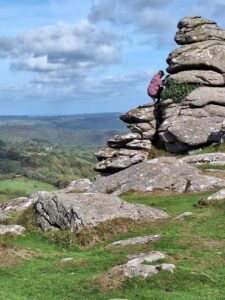
In Y1 and Y2, groups are supported by Year Group Leads providing a consistent, trusted point of contact. The day is structured with regular breaks and active lessons, to work in partnership with younger student’s energies and bodily rhythms rather than against them.
Example of Y1 Timetable

By Y3, students are expected to take more responsibility for their own learning. This is the year in which students determine their choices of study for Key Stage 4. In discussion with their tutor and parents, they decide which subjects to commit to, what qualifications might suit them, and how much of their week they want to spend in timetabled lessons as against self-directed or project-based work. Subjects on offer are set out each year in the Options Booklet and change from time to time to meet the needs of the student groups and the school.
Older Years – Key Stage 4
Extended GCSE Programme
Our Key Stage 4 programme runs over three years rather than the conventional two with students typically moving onto further education at 17.
This extended programme has many benefits, it:
- enables a much greater degree of choice and flexibility
- spreads the exam pressure, enabling students to get better results and reduce stress
- creates a better balance between schoolwork, social life and other interests
- allows more time for children to mature, meaning they are more independent and better prepared for further education when they move on

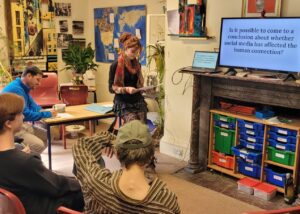

Choosing what to study
Most students sit between six and ten GCSEs or equivalent qualifications, the right number and combination is a personalised decision, that reflects their interests, aptitudes and ambitions for further study, rather than a fixed school-wide expectation.
Options are offered in a range of three, two and one year courses, giving students a wide range of possibilities of what to study and when to sit their exams. The school’s timetable is built around the choices students make, rather than the other way around with very few restrictions placed on options, all of which results in a highly personalised programme of study for each student.
Courses currently on offer:
- English Language and Literature
- Mathematics and Further Mathematics
- Biology, Chemistry and Physics
- French and Spanish
- History, Geography, Religious Studies, Psychology and Sociology
- Higher Project Qualification
- RSL Music
- BTEC Performing Arts
- Art and Design
- ICT and Film Studies
Becoming independent learners
Depending on their choices students will have more or less free periods within the school day. They are expected to take much greater responsibility for their learning than in the younger years, deciding for themselves how best to utilise their time. All areas of the school are open for students to use at any time, providing they are not disturbing others, and there are a range of quiet spaces for independent study. This provides a school experience much more akin to the learning style common in further and higher education, satisfying the desire for greater autonomy that arises at this stage of development and helping to develop the skills that students will need in their further education and working life, with the support systems offered by a small school.